
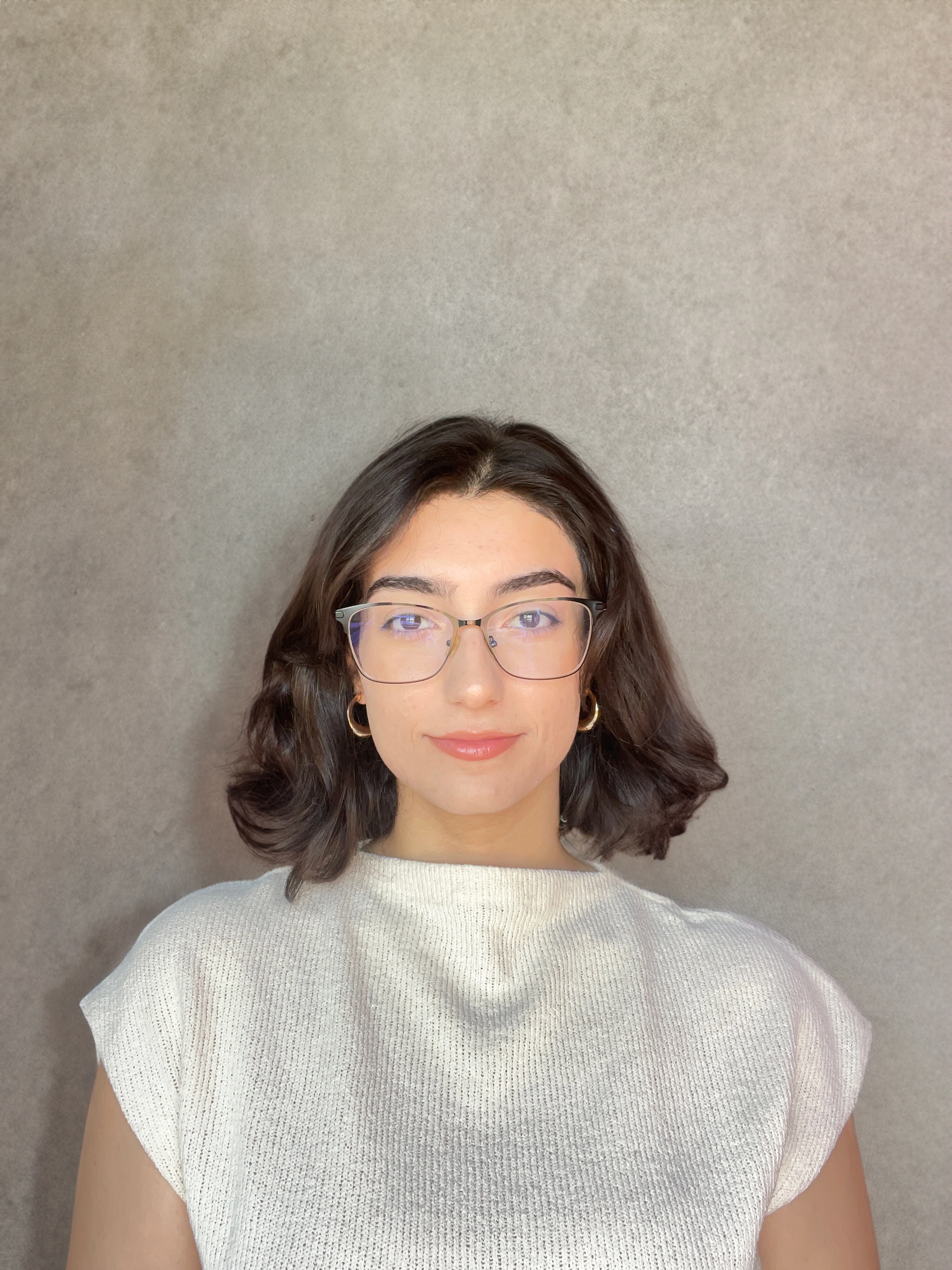
Meet NERA: Aleyna Gültekin’s journey to the HEIPowered Startup Pitch Competition finals
Tell us about your startup. What does it do, and what problem are you trying to solve?
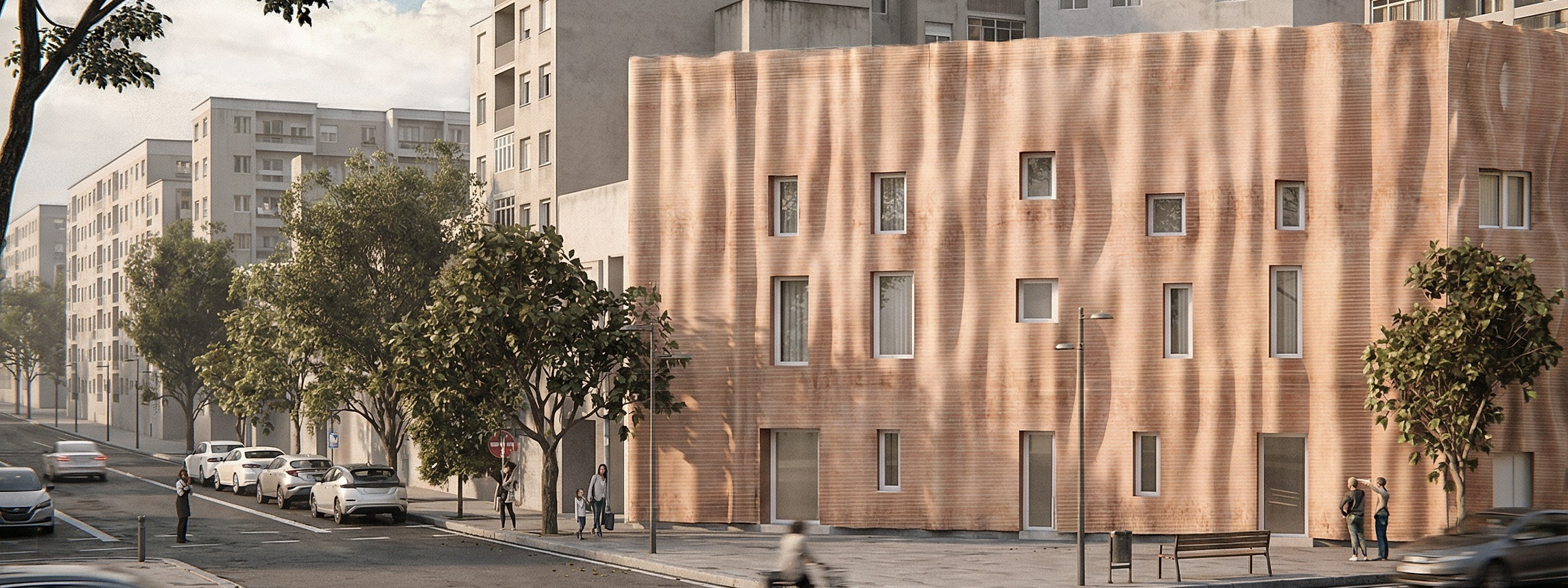
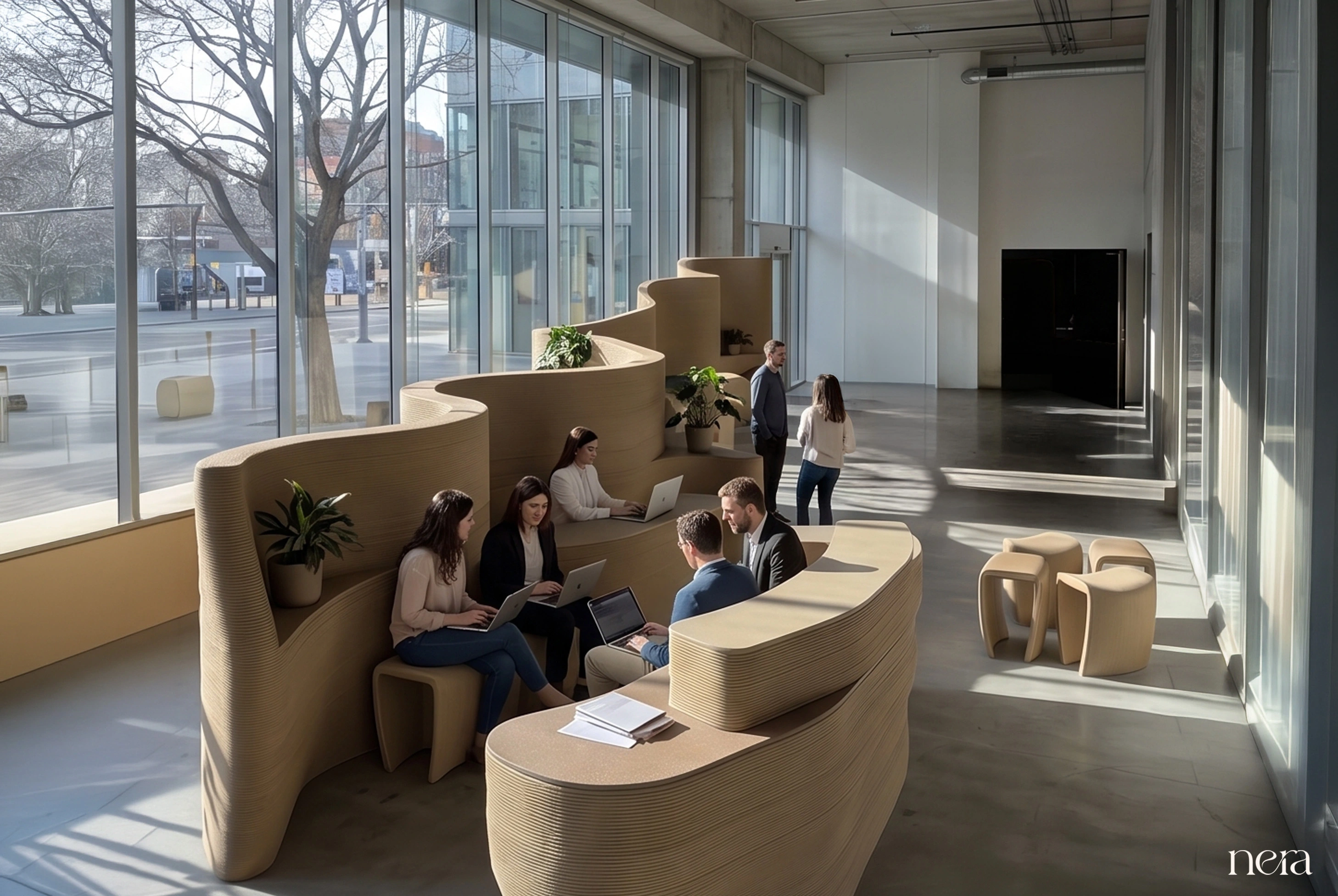
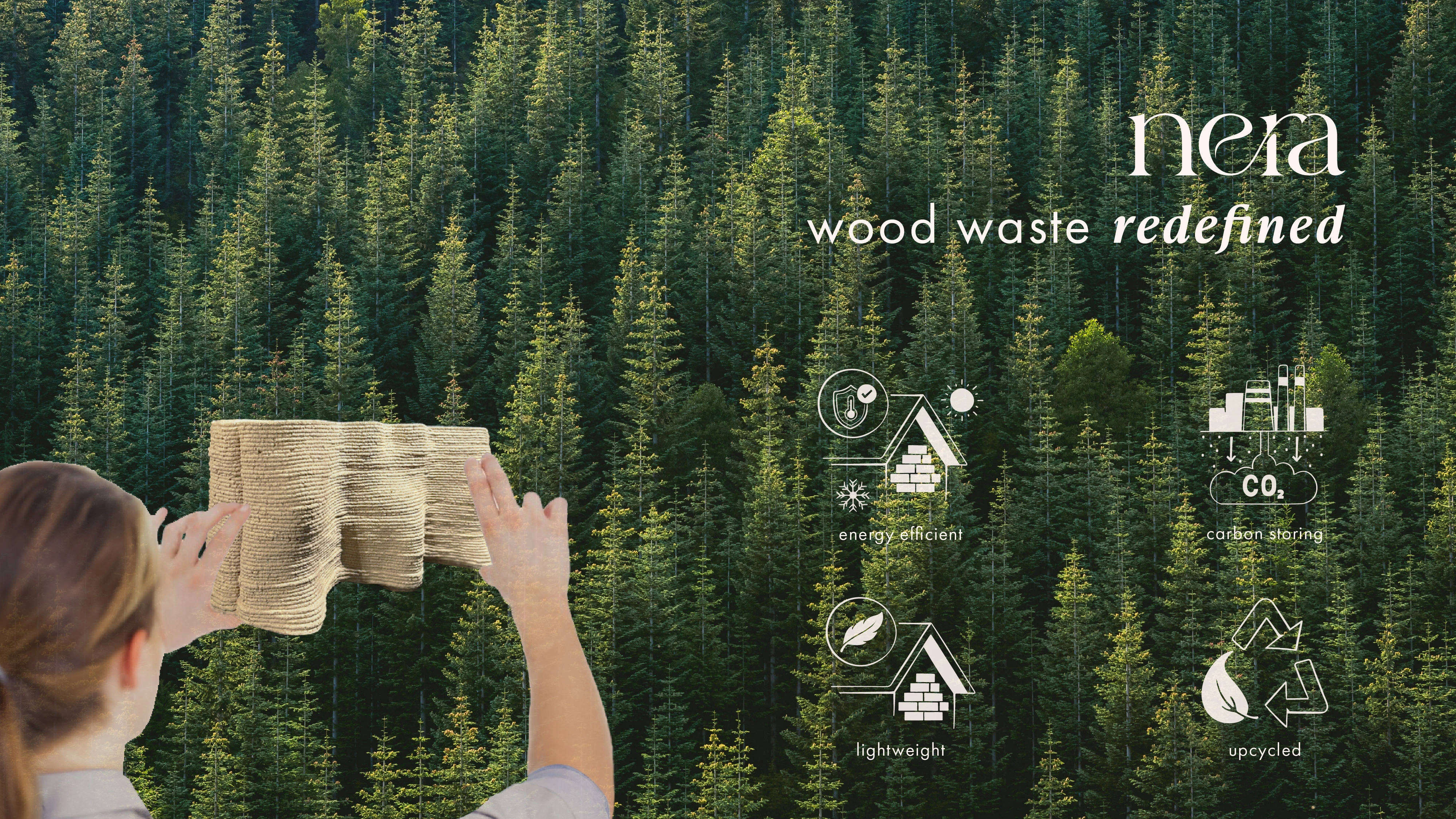
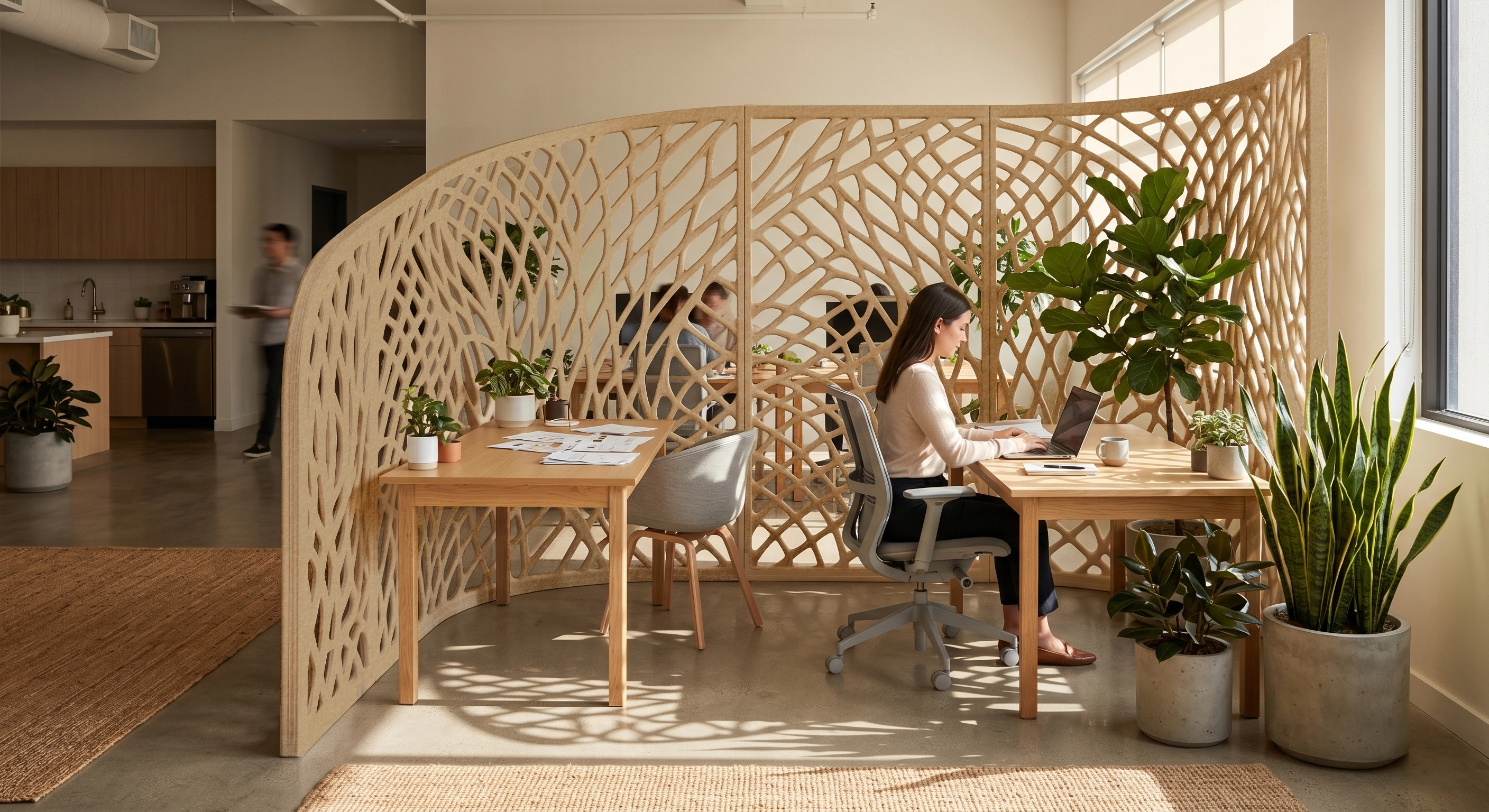
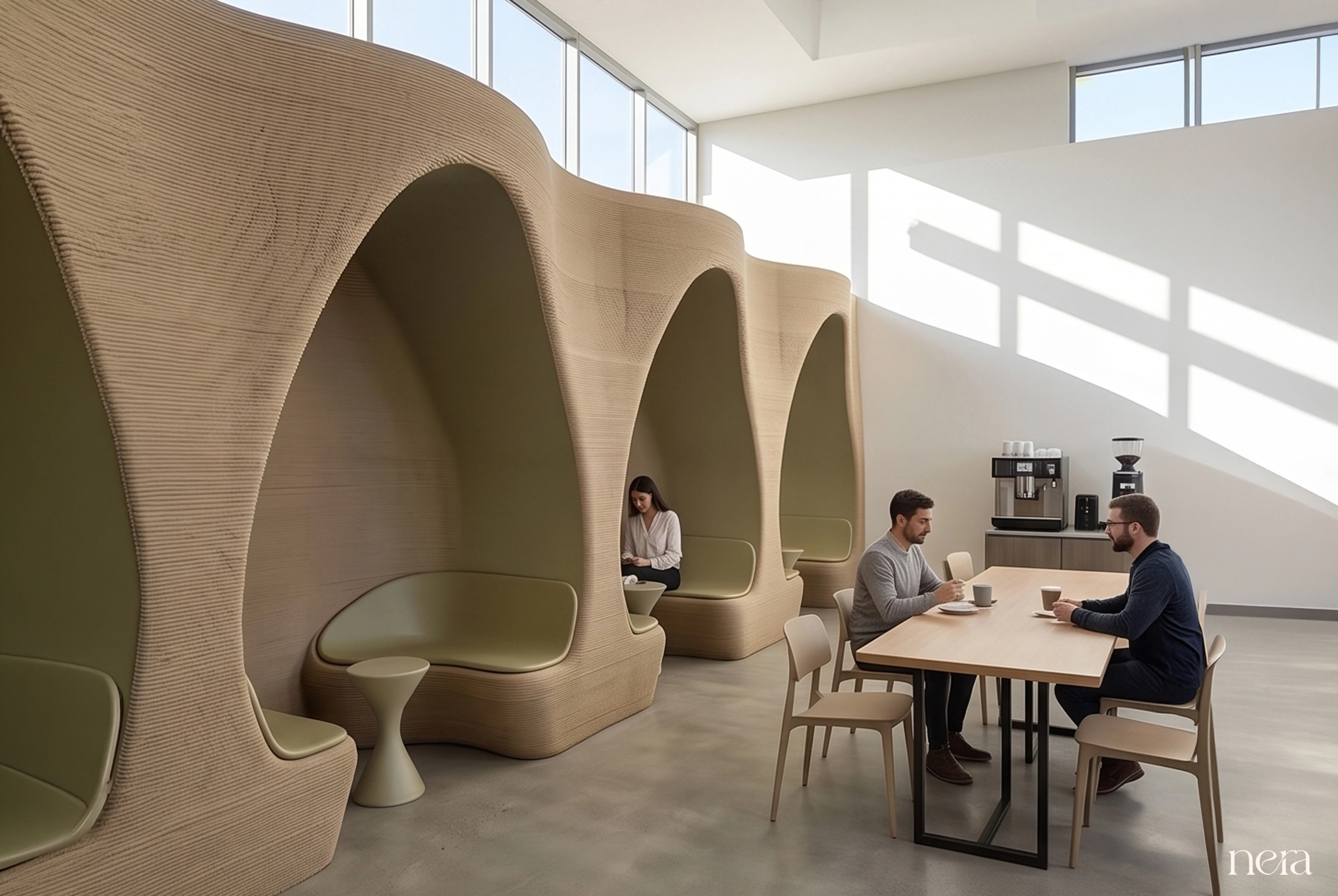
We are NERA ECO CONSTRUCTION, passionate about eradicating energy inefficient building stock and energy poverty by using material science and artificial intelligence. We upcycle sawdust waste through a proprietary process to create 3D-printed exterior insulation panels that are lightweight, carbon-storing, and fully customizable. Combined with an ML enabled algorithm that optimizes thermal performance and design for each specific building, the solution is a hybrid, end-to-end offering for both new construction and retrofits.
How did the idea come about, and how did your entrepreneurial journey begin?
My whole frustration in this problem space has started with noticing how obsessed architecture is with aesthetics and function, while totally ignoring the environmental and social implications of it. As an architect, I felt responsible for all the decisions we take and wanted to find a solution that prioritizes both the planet and the people. The project idea began as my Master thesis research at Institute of Advanced Architecture of Catalonia, while my entrepreneurial journey started through the beVisioneers: Mercedes Benz Fellowship.
Which EIT Higher Education Initiative project supported you, and how did it help you develop your startup?
We were supported by the Tech2X project through eWorks Accelerator by ESADE. They have played (and are continuing to play) a huge role in our startup development, especially in the areas of building our network, structuring the business, accessing pilot opportunities, giving visibility and mentorship.
What has been the biggest challenge in your entrepreneurial journey so far?
The biggest challenge has been ‘speed’ so far. Compared to many digital only startups, we are also developing a hardware product in a highly regulated market with very low trust in biobased materials. We have to prove performance while moving fast to stay competitive.
Where is the startup today, and what have you achieved so far?
We've executed our first paid pilot project and created an MVP material composite. We've also established partnerships for manufacturing and biomass sourcing, and we're in active pilot discussions with medium to large companies and corporates.
What makes your approach or solution different?
Existing insulation is either petrochemical and energy-intensive or bio-based but bulky and inflexible, and facade systems are too generic and not optimized per building. We combine three innovations: material, ML algorithm and digital fabrication. The panels are also designed for easy assembly and disassembly, enabling 2-3x faster installation.
What does it mean to you to be part of the EIT Higher Education Initiative Community and to have opportunities such as the HEIPowered Startup Pitch Competition?
The EIT HEI community has opened up access to both local and European level networks. More specifically, providing us resources, events, learning opportunities, non-dilutive funding and meaningful connections we wouldn’t have reached on our own.
What does being one of the five finalists mean to you, and what would securing one of the three winning positions enable you to do?
Winning would be a great validation and directly help us with our biggest challenge (speed). It would unlock pilot opportunities that derisk both the technology and the market, move us toward early revenue, while having mentors around business development and strategy.
What are your next steps, goals or biggest needs as you look to grow the startup?
Over the next year our focus will be derisking the technology and market. Therefore we will focus on material testing, pilot demonstration for both products and stakeholder validation. We are looking for pilot partners to validate our product, gather customer feedback and generate more traction.
What advice would you give to other founders at the beginning or early stages of their entrepreneurial journey?
I have learned that execution + speed are more important than the idea. Also, getting the right team with clearly defined responsibilities and expectations is key.
Why do you think it is important for higher education institutions to support entrepreneurship and startups through initiatives like the EIT Higher Education Initiative?
HEIs are positioned in a way that can involve many stakeholders together: research organizations, business schools, industry partners. I believe startups exactly need that mix of different stakeholders to thrive.
Is there anything else about your startup, team or journey that you think people should know?
Human comfort shouldn’t come at the cost of the planet and that using biomaterials doesn’t mean sacrificing durability. In fact using material science we can achieve 100% biobased materials that are high quality, high performance and lasting.
Do you want to know more about NERA? Connect with Aleyna Gültekin through the Community!